
Maximizing rental income in Folsom compared with nearby markets

At about $2,750 per month, Folsom’s median rent across property types gives owners a useful starting point for estimating rental revenue. Rents are about 45% above the national average, but maximizing rental income in Folsom takes more than setting a high asking rent: neighborhood appeal, property condition, occupancy, and ongoing costs all shape the result. The strongest opportunity is a rental that attracts suitable tenants and stays occupied at a rent the local market can support.
It’s natural to focus on monthly rent, especially when comparing Folsom with nearby markets. But a higher advertised rate doesn’t automatically mean stronger or more consistent income if a property sits vacant or needs frequent upkeep. This guide explains how to assess annual revenue, compare local markets, account for occupancy, and weigh income potential against the practical factors that affect returns. You’ll have a clearer framework for evaluating a Folsom rental and choosing management steps that support reliable performance over time.
Table of Contents
Annual rental revenue
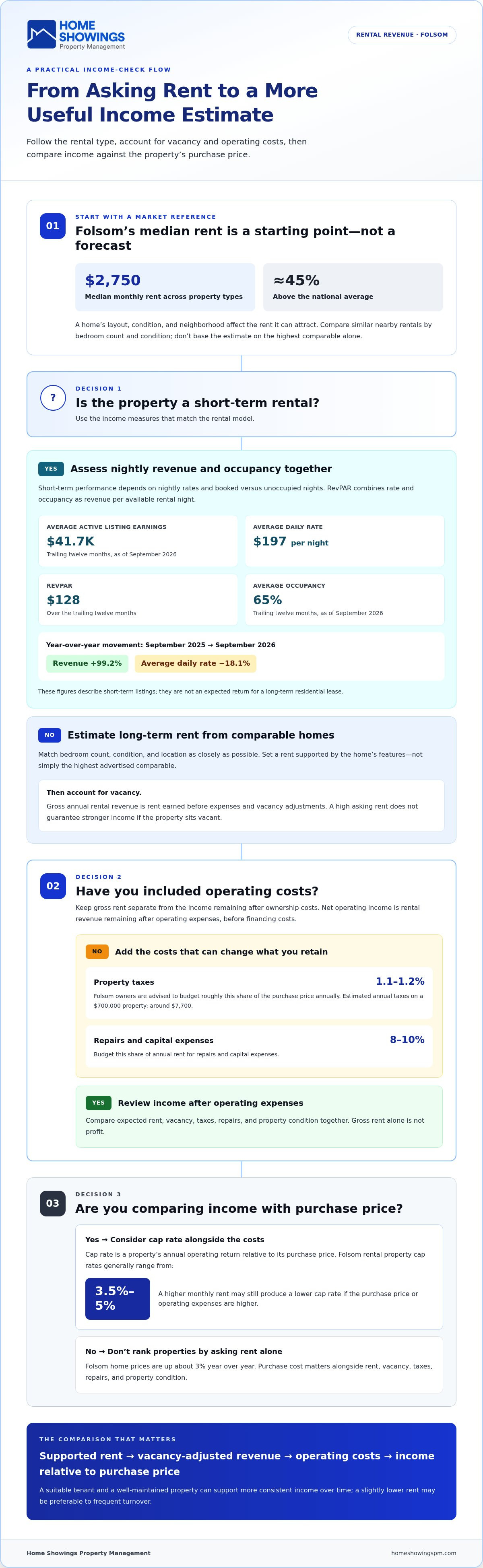
Gross annual rental revenue is the rent a property earns before expenses and vacancy adjustments. Folsom’s median rent across property types is about $2,750 per month. Rents are about 45% above the national average. Use these figures as market benchmarks, not as a forecast for every home. A property’s layout, condition, and neighborhood influence the rent it can attract. To estimate revenue, start with a realistic monthly rent, then account for periods without a tenant. Keep gross rent separate from the income remaining after ownership costs.
Property condition and nearby schools can affect where a home sits within the local rent range. To estimate rent, compare its bedroom count and condition with similar nearby rentals, then set an asking price supported by the home’s features. Don’t base the estimate on the highest comparable alone. A rent that attracts a suitable tenant can bring in more over time than an ambitious asking price followed by vacancy.
Net operating income is rental revenue remaining after operating expenses, before financing costs. Property taxes and repairs can materially change the gap between rent collected and income retained. Folsom owners should budget roughly 1.1-1.2% of the purchase price annually for property taxes. Annual taxes on a $700,000 Folsom property are estimated at around $7,700. Owners are also advised to budget 8-10% of annual rent for repairs and capital expenses. Include these costs when comparing properties, rather than treating gross rent as profit.
A cap rate is a property’s annual operating return relative to its purchase price. Folsom rental property cap rates generally range from 3.5% to 5%. Folsom home prices are up about 3% year over year, so purchase cost matters alongside rent. A property with higher monthly rent may still produce a lower cap rate if its purchase price or operating expenses are higher. Compare expected rent, taxes, repairs, and property condition together before judging income potential.
Short-term rental revenue is income from nightly stays, and its measures differ from long-term rent. The average active short-term rental listing in Folsom earned $41.7K over the trailing twelve months as of September 2026. Its average daily rate was $197 per night, while RevPAR was $128 over the trailing twelve months. RevPAR means revenue per available rental night, combining rate and occupancy. Revenue increased 99.2% from September 2025 to September 2026, while the average daily rate decreased 18.1%. These figures describe short-term listings, not the expected return from a long-term residential lease.
Across property types, Folsom’s median rent is about $2,750 per month.
Comparing Folsom with nearby markets
Comparing nearby markets means weighing rental potential against local purchase prices, tenant demand, and operating needs. A higher rent elsewhere may not mean a stronger investment if the property costs more to acquire or requires more upkeep. Compare similar property types and use the same assumptions for rent, vacancy, taxes, and repairs in each market. This gives you a more useful view of likely income than ranking areas by asking rent alone.
Long-term rental income comes from ongoing leases, while short-term vacation rental income depends on nightly bookings. Long-term leasing can make income easier to plan for; short-term performance varies with nightly rates, booking demand, and unoccupied nights. Compare expected collected income after vacancies and operating demands, not just advertised rates. Short-term rentals also involve frequent guest changes and more active listing management, while long-term leasing centers on finding and retaining a suitable tenant.
A listing is the public presentation of a rental property to prospective tenants or guests. For a fair comparison, examine listings with similar bedrooms, condition, and location, then consider how each property’s features affect demand. A listing’s asking rent does not prove that tenants will pay that amount or that the property will remain occupied. Neighborhood access, upkeep, and the likely renter profile can help explain why comparable properties attract different interest. A consistent rental marketing approach can present a property clearly to its intended audience.
California and Folsom landlord-tenant rules can affect how owners set rents, charge fees, handle deposits, and carry out evictions. Treat each area as a separate compliance responsibility: follow applicable requirements for rent changes, charge only permitted fees, handle deposits correctly, and use the required process before ending a tenancy. The specific rules can depend on the rental and tenancy circumstances, so make compliance part of your ownership process rather than an afterthought.
Insurance, maintenance, and liability risks can lead to property damage, unexpected repairs, or claims involving tenants and visitors. Review whether your coverage suits the property’s use and condition, and address maintenance issues before they become hazards. Water leaks, damaged steps, and neglected repairs can affect both the building and the people using it. Document inspections, respond to reported problems, and keep maintenance records organized. These steps also help you compare markets realistically: an appealing rent figure matters less if recurring upkeep or exposure reduces the income you retain.
Folsom neighborhoods for rentals
A rental neighborhood is the local area whose amenities and setting influence tenant interest. In Folsom, assess each property’s access to schools, daily services, transportation, and recreation. Nearby schools may influence rent for a three-bedroom home, along with its condition. Compare the property with homes serving similar renters rather than assuming every Folsom neighborhood supports the same asking rent. Start with the likely tenant, then consider whether the home’s location and features suit that renter’s needs.
A rental comparable is a similar property used to assess a reasonable asking rent. Across property types, Folsom’s median rent is about $2,750 per month. These figures provide broad context, not a rate for every neighborhood or property type. Compare bedroom count, condition, and nearby amenities before using a listing as a benchmark. Then set rent in line with the property’s actual appeal.
Short-term rental requirements are local rules that govern temporary guest stays. For a Folsom short-term rental, treat permits, taxes, and occupancy limits as separate requirements tied to the property’s use and applicable local rules. Identify the rules that apply before advertising stays, and keep the rental’s use consistent with them. Long-term rentals involve a different tenancy arrangement, so don’t assume requirements for one rental type apply to the other. Reviewing these points early helps you plan the property’s use and avoid relying on an unsuitable rental model.
A rental feature is a property detail that can improve a tenant’s daily experience. In Folsom, nearby schools may matter to households considering a three-bedroom home, while the property’s condition affects the rent it can attract. Prioritize practical improvements that make the home comfortable, functional, and well maintained. Address visible wear and make sure essential areas are usable before photographing or showing the property. Compare the finished home with similar local listings, then assess whether its features support the asking rent. Don’t assume an upgrade will earn a premium without evidence from comparable rentals.
Choose a rental neighborhood property by property, rather than searching for one area with the highest rent. For each Folsom home, note its condition, bedroom count, nearby schools, and competing listings. Use those details to select comparable rentals and set a supportable asking rent. Revisit the estimate if the property receives little interest or competing listings change. This measured approach connects neighborhood appeal with the home itself and helps you pursue rental income without treating a citywide median as a guarantee for an individual address.
Occupancy rate
Occupancy rate is the share of available rental time that a property is occupied. For short-term rentals in Folsom, listings averaged 65% occupancy over the trailing twelve months as of September 2026. That measure reflects booked time, not annual income by itself. A nightly rate, booking pattern, and vacant nights all affect revenue. Long-term rentals use a different lens: the owner tracks whether a lease is active and how long the property remains vacant between tenants.
Folsom’s short-term rental occupancy increased 29.1% from September 2025 to September 2026. This change describes a market trend, not the expected occupancy of an individual listing. A well-located home may still lose bookings if its presentation, condition, or nightly rate misses guest expectations. Owners can review booking gaps and adjust the listing details or pricing approach to address weak periods. For a long-term rental, monitor inquiries and showing feedback to identify issues before vacancy extends.
To reduce vacancies and attract suitable tenants, keep the property well maintained, market it clearly, and set rent in line with comparable homes. Folsom rentals priced appropriately and kept in good condition are usually leased within two weeks. Review applications using consistent screening criteria, including rental history and ability to meet the lease terms, before selecting a tenant.
Turnover time is the gap between one tenancy ending and the next beginning. A clear move-out plan helps you prepare for that gap: schedule an inspection, identify necessary repairs, and get the property ready for showings. Addressing visible issues before marketing can make the home easier to present. Keep application steps organized so prospective renters know what information to provide and how the leasing process works. An orderly process helps prevent avoidable delays between tenants.
Affordable housing availability offers one perspective on local rental demand. Most affordable housing communities in Folsom are currently full, and waiting lists for future tenants are common. This applies to those communities, not every private rental or price range. Assess your own property, target renter, and asking rent rather than inferring demand from waiting lists alone. Compare similar homes and use prospective tenants’ responses to guide adjustments.
Track occupancy alongside collected rent, maintenance needs, and turnover instead of treating a single rate as the whole picture. For a short-term rental, review booked nights and unfilled dates; for a long-term rental, record lease start and end dates and the time needed to find a new tenant. These measures show where income is interrupted. If vacancies repeatedly follow the same pattern, address the relevant step, such as property preparation, listing presentation, or tenant selection.
Stable rental income
Stable rental income is rent collected consistently over time, with fewer costly vacancies and turnovers. In Folsom, owners can build stability by weighing tenant retention against the temptation to raise rent at every opportunity. One practical comparison: charging $100 less per month for a tenant who stays three years can be preferable to turning over the unit every 12 months. Consider the full cost of each vacancy, including lost rent, cleaning, repairs, and leasing time. A dependable tenancy can support steadier cash flow.
Tenant retention means keeping a suitable renter in the property. Start by responding to maintenance concerns, communicating clearly, and setting expectations before lease renewal. If a tenant pays reliably and cares for the home, weigh the value of continuity against the potential rent from a new lease. Frequent turnover can interrupt collected income even when the next asking rent is higher. For maximizing rental income in Folsom, measure success by rent collected across the year, not just the monthly rate.
A rental reserve is money set aside for expenses that can disrupt cash flow. Folsom rental property owners are advised to budget 8-10% of annual rent for repairs and capital expenses. This reserve helps owners prepare for planned work and unexpected repairs without treating every expense as a crisis. Keep a record of repair needs, completed work, and recurring maintenance. Reviewing those records before setting the next year’s rental budget helps reveal patterns and supports timely property care.
A long-term investment approach focuses on sustained rental performance instead of a quick resale. Folsom rental investors are advised to take a long-term approach rather than plan to flip a property in 18 months. That perspective makes it easier to assess tenant retention, maintenance, and income over several lease cycles. Before purchasing, consider whether the property’s expected rent and upkeep fit a longer holding period. A short-term resale plan can place more weight on immediate market movement than on consistent rental operations.
Tax planning for rental income means keeping organized records so income and property-related expenses can be reviewed accurately. For California rentals, track rent received, invoices, maintenance work, and other property expenses throughout the year. Separate rental transactions from personal spending, and retain supporting documents for each entry. Review your records before preparing taxes so eligible deductions can be identified and documented. Careful bookkeeping is practical, while the specific tax treatment depends on the expense and the owner’s circumstances.
Consistent rental marketing helps owners reach prospective tenants when a property becomes available. Prepare an accurate listing, clearly show the home’s condition, and keep application steps organized. If inquiries are limited, review the asking rent, listing details, and property presentation before making changes. For stable income, connect each decision to measurable results: collected rent, vacancy periods, turnover, and maintenance needs. This operating view helps protect cash flow while keeping the property ready for its next tenancy.
Home Showings Property Management: Property Management
Home Showings Property Management helps owners coordinate the rental process when marketing, tenant selection, and rent collection compete with other priorities. Its residential Property Management service brings these tasks together, supporting an organized approach to managing a rental.
For a vacant home, Rental Marketing helps present the property to prospective tenants, while Tenant Screening supports a careful application review. Once a tenancy begins, Rent Collection through the tenant portal helps keep payment administration organized. Owners can use these services for oversight across leasing and ongoing rental operations, rather than handling every step alone.
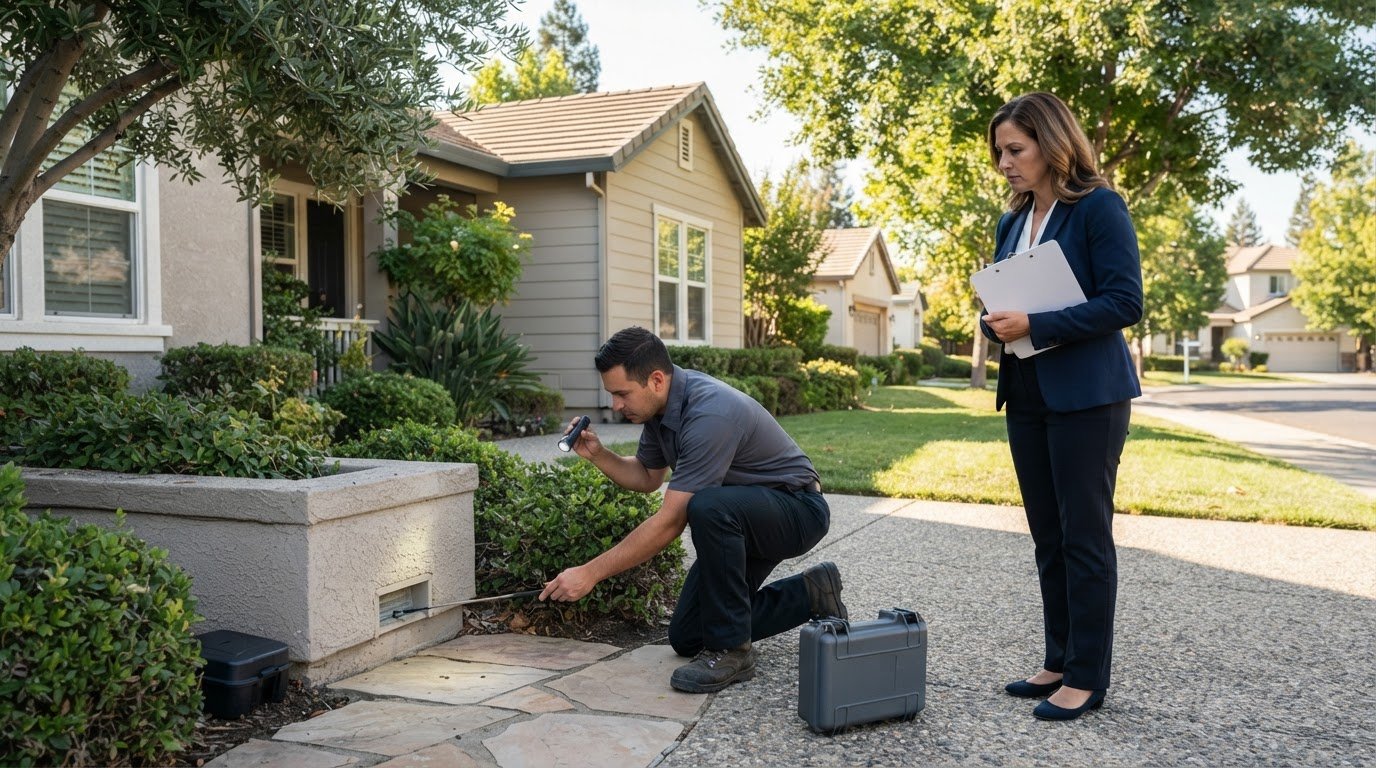
Stable income also depends on preserving the property and keeping rental operations on track. Home Showings Property Management provides Property Maintenance through in-house teams and outside vendors, with work orders that include photos. Its Property Inspections use the Zinpector software application. To discuss managing your rental, contact Home Showings Property Management.
Turn your rental plan into a consistent process
Strong rental performance comes from making deliberate decisions and adjusting as the property’s needs change. Choose a plan that fits your goals, then keep leasing, tenant communication, and property oversight organized. If you’re working on maximizing rental income in Folsom, consistent follow-through can turn market insight into practical rental decisions.
Home Showings Property Management provides Property Management to help owners coordinate rental operations. Rental Marketing and Tenant Screening support the steps of presenting a property and selecting tenants. This can be a useful next step if managing those details is taking time away from other priorities.
Bring your rental goals and questions to a conversation about the approach that fits your property. Contact Home Showings Property Management to discuss your rental plans and move forward with greater clarity.
Frequently Asked Questions
Which Folsom neighborhoods and property types have the highest rental demand and returns?
No single Folsom neighborhood or property type can be ranked as the highest-return choice without comparing rent, purchase price, condition, and ongoing expenses. Evaluate similar homes by bedroom count, location, and renter appeal, then compare likely collected rent with ownership costs. A single-family home near schools may attract a different renter than a condo near daily services. Strong demand and strong returns are related, but they are not the same measure.
How do Folsom rental yields compare with nearby cities such as Sacramento, Roseville, and El Dorado Hills?
A fair yield comparison requires matching property types and calculating income against purchase price and operating expenses in each city. Use the same method for Sacramento, Roseville, and El Dorado Hills, then consider Elk Grove, Rancho Cordova, Natomas, North Lake Sacramento, Citrus Heights, and Carmichael for a broader local comparison. Higher rent alone does not establish a higher yield: purchase cost, vacancy, taxes, and upkeep also affect the result.
What are average rental rates in Folsom, California, by property type and neighborhood?
Folsom’s median rent across property types is about $2,750 per month.
What rental features and upgrades command the highest premiums in Folsom?
Nearby schools and property condition can affect rent, especially for three-bedroom homes. Assess access to schools, daily services, transportation, and recreation, and prioritize practical improvements that keep the home comfortable and functional.


Comments