
Folsom landlord support services for rental owners

A rental’s potential depends on more than the rent it brings in. Effective Folsom landlord support services help keep a property occupied, the tenancy organized, and maintenance needs on track. The goal is consistent, well-managed ownership, not simply filling a vacancy.
It’s understandable to want a professional to handle the moving parts while you stay informed about your property. Clear communication, careful tenant screening, rent collection, and regular oversight can make rental ownership more manageable.
This article explains what professional support can cover, how the management process works, and which factors shape service quality and cost. You’ll also learn what information to prepare and how to decide whether full-service property management fits your rental. With a clear view of the process, you can take the next step with more confidence and know what to expect from ongoing support.
Table of Contents
What are your fees for Folsom property management?
Management fees depend on the work included, the rental’s needs, and the agreement. Compare the scope, not just the headline rate: review whether marketing and leasing, tenant communication, rent collection, maintenance coordination, inspections, and financial statements are covered. The agreement should explain how charges are calculated and when they apply.
A rental analysis can help set an asking rent using the home’s condition, layout, location, and comparable rentals. Folsom’s median monthly rent is $2,750, but a specific folsom property may call for a different figure. A free rental analysis is useful when it explains its comparison method and assumptions, rather than presenting a number without context.
Marketing can affect vacancy. Clear, accurate listings help prospective renters assess a home before arranging a showing. Review the property description, photos, and key details, along with how inquiries and viewings are handled. A listing that omits parking or laundry information, for example, may leave applicants unsure whether the home meets their needs.
California Legislature says homeowners associations may restrict rentals shorter than 30 days and set reasonable leasing rules, although they generally cannot prohibit long-term rentals. For a property in an association, review its rental rules before choosing a lease term or advertising the home. Those restrictions can shape marketing and leasing decisions.
Financial reporting should make each month’s activity easy to follow. A clear owner statement separates rent received, property expenses, and management charges, with supporting records available through the reporting process. Walk-through findings also belong in the property record: a dated note about a leaking faucet, for example, helps connect an observed issue with a later repair expense.
Regular property inspections provide an opportunity to document a home’s condition, while additional visits can address a reported concern or tenancy change. A useful inspection record notes the areas reviewed, visible maintenance needs, and follow-up steps. It documents condition, but does not replace a permit or repair.
What should Folsom landlords look for in a property management service? Review the written scope, marketing and leasing processes, financial reporting, and inspection records. Ask how maintenance requests are tracked from report to resolution and how owners receive updates.
What are the rules for rental registration, permits, and inspections in Folsom, CA? Keep registration, permits for property work, and management inspections distinct, since requirements depend on the property and the work involved. A routine walk-through documents condition; it does not authorize construction or repairs.
Are there landlord associations or networking groups in Folsom or Sacramento County? Local landlord-focused meetings and professional groups can offer opportunities to discuss leasing practices and property operations. Use those conversations to compare practical approaches, and rely on written agreements and documented property records when making decisions about a specific rental.
Maintenance and repairs
A consistent repair process helps protect a Folsom rental and gives tenants a clear way to report problems. Effective coordination connects each request with assessment, action, follow-up, and documentation.
Maintenance Coordination
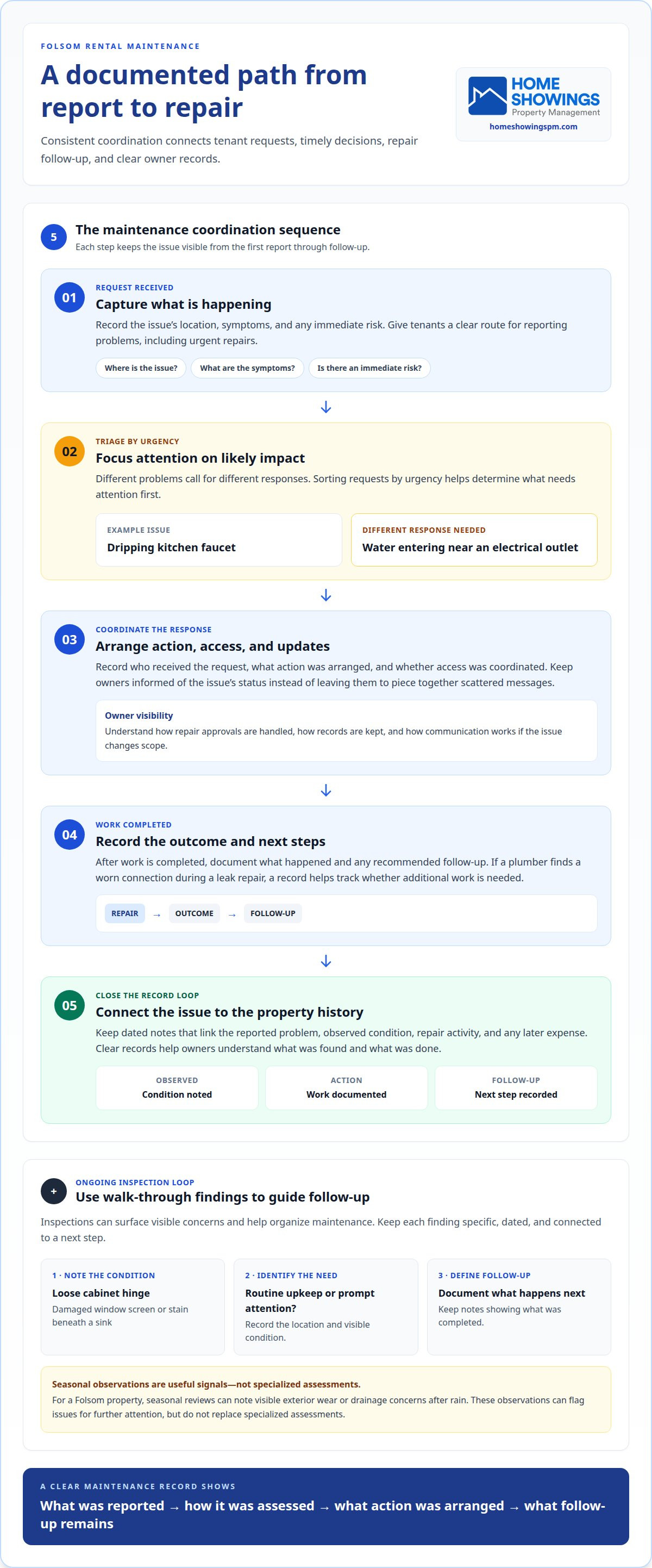
Coordination begins when a tenant reports an issue. The manager records its location, symptoms, and any immediate risk, then sorts the request by urgency. A dripping kitchen faucet needs a different response from water entering near an electrical outlet. Clear triage helps focus attention on the likely impact.
For urgent repairs, renters need a clear reporting route and timely updates about next steps. A sound process records who received the request, what action was arranged, and whether access was coordinated. Owners should be able to see the issue’s status rather than piece together scattered messages or rely on memory.
After work is completed, the manager records the outcome and any recommended follow-up. If a plumber finds a worn connection during a leak repair, for example, documenting it helps track whether further work is needed. Ask how Folsom property management handles approvals, repair records, and communication if an issue changes scope.
Maintenance and Inspection Work
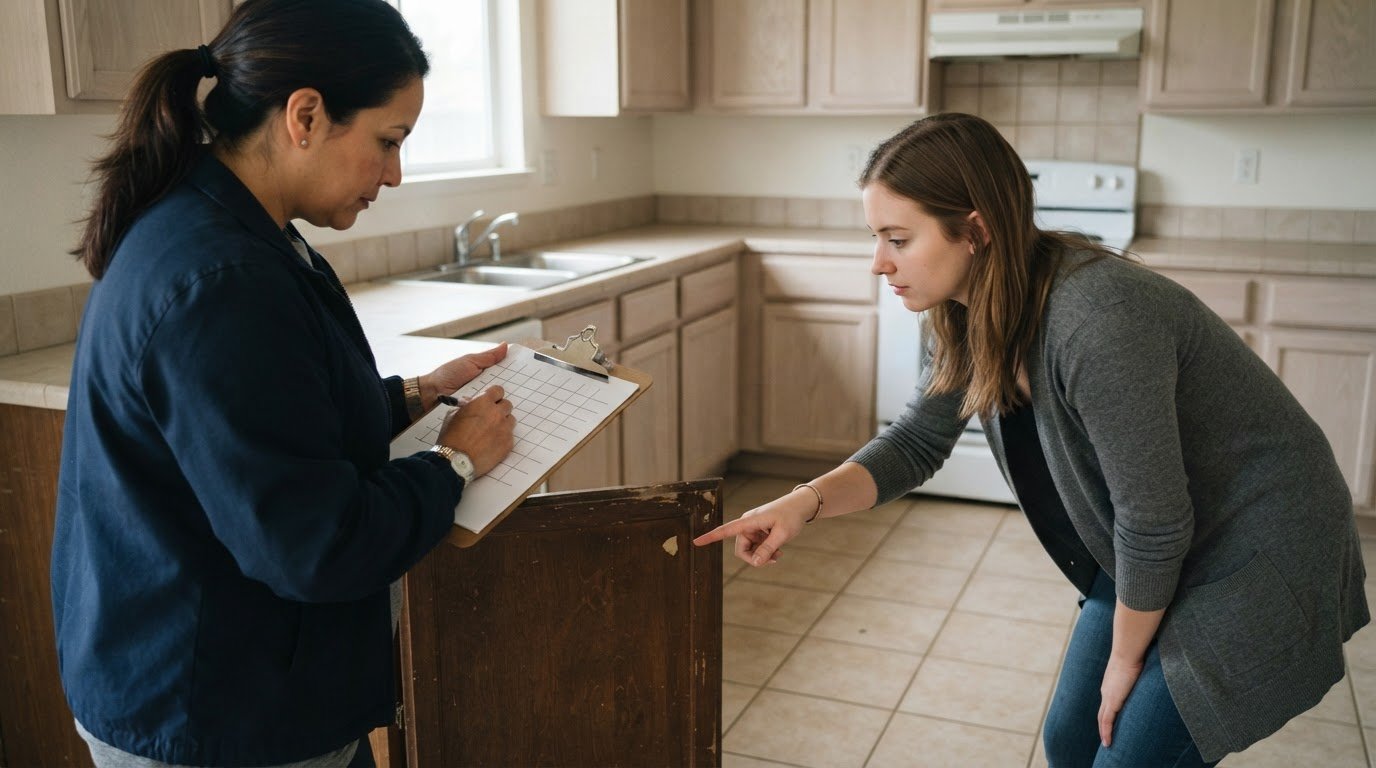
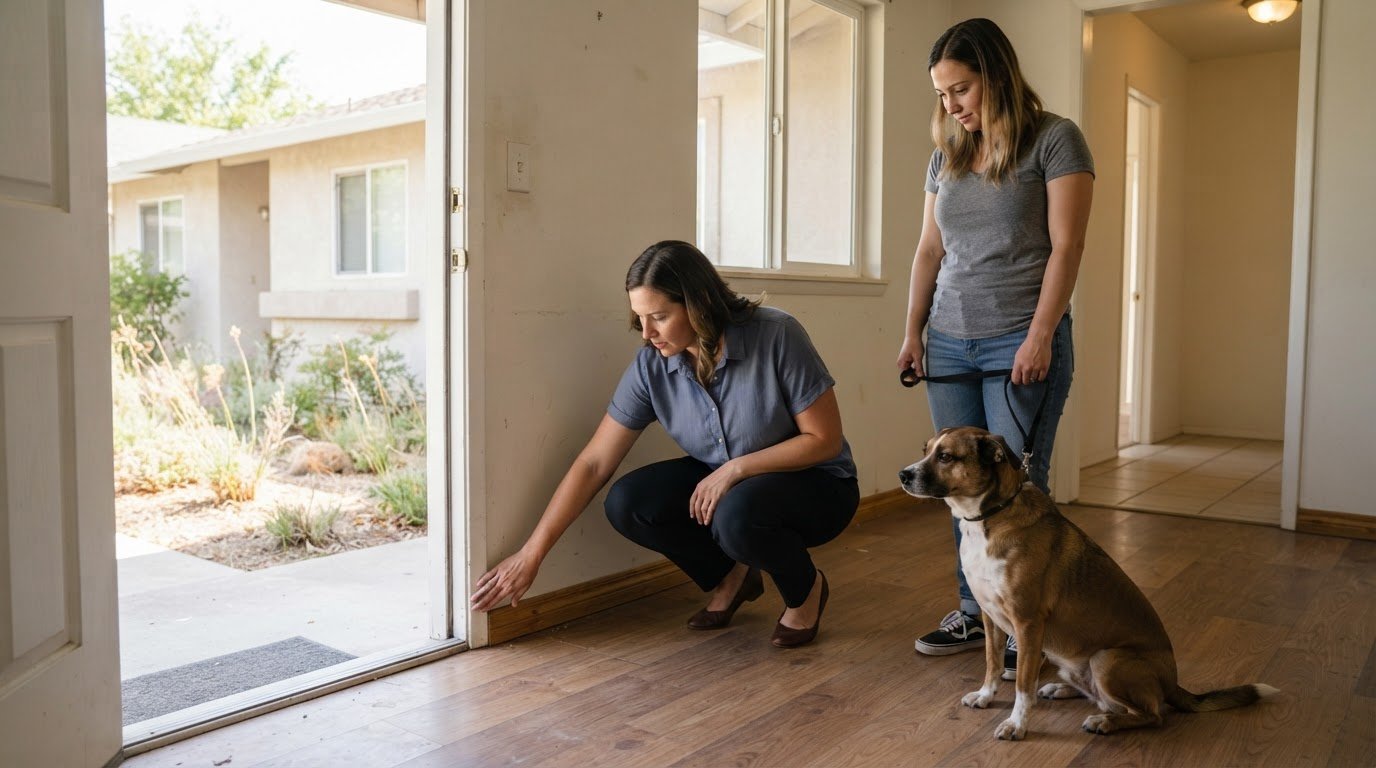
Inspections can identify visible maintenance concerns before they become larger repair requests. A walk-through might note a loose cabinet hinge, damaged window screen, or stain beneath a sink. The record should identify the location and observed condition, then distinguish routine upkeep from work that needs prompt attention.
Inspection findings are most useful when they lead to a defined next step. The manager can document the issue, coordinate a repair, and keep notes showing what was completed. This links the condition observed during a visit with later maintenance activity and helps the owner understand why work was arranged.
For a Folsom property, seasonal reviews can help organize tasks such as noting visible exterior wear or drainage concerns after rain. These observations do not replace specialized assessments, but can flag issues for further attention. Review inspection summaries for clear findings, dated records, and follow-up actions.
Owners comparing maintenance coordination can look for a documented path from tenant report through completion. A property maintenance process should make responsibilities, updates, and records understandable. Explore property maintenance support as part of a plan to maximize consistent care while renting out a home.
Neighborhood-specific property management
Local context helps shape how a rental is marketed, maintained, and managed. In Folsom, needs can vary by home type, location, association rules, and tenant expectations. A management plan works best when it accounts for the individual property rather than applying the same checklist to every address.
Folsom sits about 18 miles northeast of Sacramento, but nearby does not mean identical. A manager familiar with the area can consider practical details such as access for showings, parking, exterior upkeep, and how a home’s features compare with nearby rentals. For example, a property with limited parking needs accurate listing details and clear showing arrangements.
Residential property management focuses on rental homes and ongoing tenancies. Full-service management can bring marketing, tenant screening, rent collection, maintenance coordination, and inspections into one process. Owners should review which tasks are covered, how updates are shared, and where their approval is needed. A clear scope helps prevent missed handoffs between leasing and ongoing oversight.
Owner responsibilities deserve careful attention in the management agreement. The document should define who handles tenant communication, maintenance coordination, recordkeeping, and decisions requiring owner approval. Keep the agreement, inspection records, and significant communications together. These records show what was reported, what action followed, and which responsibilities each party accepted.
Read any management guarantee carefully. Its value depends on the written conditions, exclusions, and remedy. A leasing promise, for example, may cover only a defined part of the leasing process, not every cost or outcome. A guarantee does not replace clear responsibilities, documented decisions, or appropriate insurance discussions.
Residential and commercial property management are distinct service categories, just as short-term vacation properties require their own operational model. While residential managers handle long-term housing, tourist accommodations require dedicated guest support and hospitality oversight—an approach seen with specialized firms like Crucial Hospitality that provide full-service management for boutique hotels, villas, and apartments. Match the service scope to the asset rather than assuming one agreement fits both. This distinction matters when reviewing maintenance responsibilities, occupancy arrangements, and tenant relationships.
Eviction concerns show why local process and accurate records matter. A manager can organize tenant communications, payment records, and property documentation for the owner’s review. California housing rules can affect residential tenancies, so the management plan should explain how notices and sensitive issues are handled without promising a particular outcome. Consistent files make decisions easier to follow.
To evaluate neighborhood-aware oversight, consider specific examples: how a showing is arranged, a property concern documented, and updates shared with owners. Folsom property management should connect these steps in an understandable workflow. This helps owners assess whether the service suits their residential rental and preferred level of involvement.
Owner statements, accounting, and financial reporting
Clear reporting helps property owners understand how a rental performs and where money moves. A useful owner statement connects rent collection with recorded expenses, management charges, and the resulting balance. For example, a plumbing invoice should appear as a dated expense, not simply as an unexplained reduction in funds. Consistent categories make monthly reviews easier.
Ask how often statements are prepared, how owners access them, and which records support each entry. A property management company should explain how it records partial rent, late payments, credits, and costs paid for an owner. If a tenant pays after the reporting period closes, the accounting should show when the payment arrived and how it appears in the next statement.
Useful reporting can include:
Rent charged, rent received, and any outstanding balance.
Itemized property expenses with invoice or work-order references.
Management charges and other deductions listed separately.
A summary of funds transferred to the owner.
Notes linking unusual transactions to a tenant account or property issue.
These details distinguish rental income from operating costs. A repair invoice should identify the work and property, while a rent entry should connect to the relevant rental period. Owners can then see whether a change in available funds came from a vacant period, an unpaid balance, or an expense. The explanation matters as much as the total.
Keep tenant screening records separate from routine financial entries. Screening supports a leasing decision; accounting tracks money received and spent during management. Separating the two creates a clearer rental timeline. An application decision, for example, should not be confused with a later rent payment or maintenance charge.
Financial reporting also supports investment planning. Reviewing recurring expenses can reveal patterns, such as repeated appliance repairs or rising landscaping costs. This record provides context before considering a larger maintenance decision. It does not predict future income, but helps explain past performance and supports informed discussions about the property.
During a statement review, follow a simple sequence: match rent received to the rental ledger, connect expenses to supporting records, then review the balance and owner transfer. If an entry is unclear, request a description through the reporting process. Consistent formatting across periods makes changes easier to spot and helps clarify transactions.
Before choosing a management arrangement, clarify what financial records are provided, how corrections are handled, and how owners access past statements. Owner and tenant portals can keep account information organized in one place. Clear categories and traceable entries make reporting a practical tool for understanding rental operations, not just a list of totals.
Which Folsom property management companies serve landlords, and what do they offer?
Folsom landlords can compare services by scope, property type, and how day-to-day decisions are handled. Some focus on residential leasing; others coordinate broader management, including rent collection, maintenance, and inspections. Compare the written responsibilities rather than relying on a company name to explain the process.
A full-service residential manager may oversee the rental lifecycle, from advertising a vacancy through ongoing tenant coordination. A leasing-focused service may concentrate on marketing, showings, applications, and lease preparation. These models suit different needs. An owner who wants support after move-in should look beyond a service limited to finding a tenant.
Maintenance and inspections are useful points of comparison. One service may document a property visit and track resulting repair requests, while another may describe inspections without explaining follow-up. Ask how an observed concern moves from report to completed task and how the owner sees the record. A specific example, such as a damaged screen, can reveal whether responsibilities are clear.
Service fit also depends on how involved the owner wants to be. A hands-on owner may need help with leasing or a specific property task. An owner seeking broader oversight may prefer one arrangement covering tenant communication, rent collection, inspections, and maintenance coordination. Either way, the agreement should distinguish included work from tasks requiring owner approval.
Before choosing, compare each service’s written scope with your Folsom rental’s needs. Review how the process handles:
Rental marketing, showing arrangements, and applicant screening.
Rent collection, owner updates, and financial records.
Tenant maintenance requests, repair coordination, and follow-up.
Property inspections, findings, and documentation.
Lease administration and communication during a tenancy.
Then consider the working relationship. Clear reporting matters if you live outside Folsom or prefer fewer routine interruptions. A local point of contact can help coordinate property access, showings, or inspections. Ask how updates are shared, who handles each step, and how decisions requiring your input reach you.
For a fair comparison, use the same rental scenario with each provider. For example, ask how they would handle a vacancy, an application, and a repair request at one property. The answers help reveal differences in process without relying on broad claims. To discuss management for your rental, connect about Folsom property management.
Home Showings Property Management
Home Showings Property Management helps Folsom rental owners coordinate leasing and ongoing management. Its services include property management, rental marketing, tenant screening, and rent collection, connecting key steps from advertising a vacancy through collecting rent during a tenancy.
If managing inquiries, reviewing applications, and tracking payments takes too much time, professional support can simplify the workload. Rental marketing presents the property to prospective renters, and tenant screening supports informed leasing decisions. Rent collection keeps payment activity organized once a tenancy begins.
Owners can discuss how these services fit their property, desired involvement, and management needs. For a conversation about your rental, contact Home Showings Property Management.
Set up your next rental decision with confidence
The next step is to define the role you want a property manager to take. Consider which decisions you want handled, where you prefer to receive updates, and what information helps you stay involved without managing every detail. This gives the conversation a practical starting point and helps shape support around your rental priorities.
Home Showings Property Management provides property management, rental marketing, and tenant screening. These services help owners organize the path from preparing a rental for the market to selecting a tenant. Discuss your property and preferred level of involvement to determine whether this approach suits your needs.
Choosing Folsom landlord support services is about creating a process you can understand and rely on over time. You don’t need to settle every management detail at once. Start with your property’s priorities, then build a clear plan for moving forward.
Contact Home Showings Property Management to discuss your rental and consider a practical next step.
Frequently Asked Questions
Ready to Maximize Your Folsom Rental?
Start by setting clear priorities for the property, such as dependable leasing, organized rent collection, or less day-to-day coordination. Folsom landlord support services can bring those responsibilities into a structured management process. An owner preparing a home for a new tenant, for example, can focus on marketing and screening, while ongoing management organizes communication and property records.
What landlord support services are available in Folsom, California?
Folsom rental owners can get support with residential property management, rental marketing, tenant screening, rent collection, maintenance, inspections, and owner and tenant portals. Home Showings Property Management serves Folsom and surrounding communities, including Sacramento, Roseville, Elk Grove, Rancho Cordova, Natomas, North Lake Sacramento, El Dorado Hills, Citrus Heights, and Carmichael. The right combination depends on whether you need help with leasing, ongoing oversight, or both.
How much do Folsom property managers charge for leasing and ongoing management?
Costs depend on the property, management scope, and leasing needs, and pricing is provided after a quote request. Compare proposals by separating ongoing management from leasing-related charges and reviewing which tasks each covers. For example, check how marketing, tenant screening, rent collection, and maintenance coordination fit into the agreement. A clear written scope helps you understand what the quoted service includes before deciding.
What tenant-screening and rent-collection services are available to Folsom landlords?
Home Showings Property Management provides tenant screening and online rent collection. Its tenant portal allows renters to pay online, while the Rentec platform supports online rent collection. For an owner, the practical distinction is that screening supports the leasing decision, while rent collection records payments during the tenancy. Ask how the process connects applicant information, tenancy records, and payment activity for your property.
Where can Folsom landlords get help with evictions, notices, and legal disputes?
A property manager can organize lease records, payment history, and communications relevant to lease enforcement. If a situation involves an eviction notice or legal dispute, keep those records together and seek advice from a qualified California landlord-tenant attorney. A dated rent ledger and copies of tenant communications, for example, can give an attorney clearer context. Management coordinates the property process but does not replace legal counsel.
What local resources help landlords address late rent, property damage, or difficult tenants?
For late rent, use payment records and tenant communications to establish a clear account history. For damage, preserve inspection notes, maintenance requests, and relevant photos. A property manager can coordinate rent collection, inspections, maintenance, and lease enforcement, helping keep related records organized. At a Folsom rental, consistent records can make the next management step easier to explain.
How do property managers coordinate maintenance, repairs, and emergency services for Folsom landlords?
Maintenance coordination can start with a tenant’s online work order, including photos to describe the issue. Home Showings Property Management coordinates maintenance through in-house staff and outside vendors, and owners can track maintenance through their portal. For an urgent concern, report the issue through the management process and describe its location and impact. Clear details help direct the request to the next appropriate step.

Comments